Unknown's avatar

About botanyfordesign

I have a strong interest in the natural world. Having lived in South Africa and the United States, and traveled through Europe, I have observed how strongly people are connected to the landscape and climate of their environment. I thoroughly enjoyed completing my degree in Botany and Zoology and went on to complete a Masters Degree in Botany. Photography is just one of the ways I enjoy experiencing the foibles and beauties of the plants and animals around us. I also enjoy drawing and gardening and traveling to see new places.

The Devil is in the Details

Through the process of photosynthesis, plants are mediators in the environment.  From our perspective plants provide us with oxygen and form the basis of our food chain by making sugars.  From a plants perspective we, and all other aerobic life forms, are the basis of their food chain – the carbon dioxide suppliers.  Linking soil and air plants combine elements of mineral and sunlight to build the substances of their bodies.  Just like us, plants require minerals.  They obtain macro and micro nutrients, such as iron, sulfur, calcium, and magnesium from the soil.  But some are able to survive conditions where there are toxic substances present.  It is not news that plants can survive a wide range of conditions, frequently occupying very specific ecological niches.  Our relatively new investigations are into how some plants are not only able to survive toxic conditions but can ameliorate them and can be employed as mediators in their clean up.  This is an exciting development as it offers and sustainable and comparatively non-invasive way of effectively dealing with challenging contaminated sites (Mench et al 2009).

What toxic conditions are these you ask?  You can easily imagine a mine dump or contaminated effluent situation, fairly commonly described in the literature.  In these cases metals such as cadmium, lead, cobalt, copper, mercury, chromium, nickel, selenium and zinc are of great concern with regards to the food chain (Branzini et al 2012).  Greater consideration is being given to compounds known as xenobiotics that are accumulating in the environment and food chains.  The majority of these toxic situations are as a result of human activities (Mench et al 2009).

But how do plants cope with these conditions?  Where do they put the substances that they are absorbing? Studies have looked at the mechanisms that plants employ when taking up these substances, as well as their genetics.  Plants sequester the toxic compounds in vacuoles and cell walls, and they may also produce exudates through stems and leaves (Azzarello et al 2012).  There are papers on genetically modified plants being utilized to clean up environments (Vangronsveld et al 2009) and on locating native species that facilitate restoration of landscapes (Salas-Luevano 2009).  As one would expect even those plants able to cope with challenging conditions have their limits.  Work with Pauwlonia tomentosa indicates inhibited growth and leaf production which, at the cellular level, is connected to damage to the chloroplast (Azzarello et al 2012).  Sesbania virgata is remarkable, being able to germinate and grow in certain toxic conditions, but it does become challenged when there is more than one toxic element (Branzini et al 2012).  Like P. tomentosa, S. virgata appears to concentrate the metals taken up in the roots, limiting translocation to the stems and leaves.

Basically there are three strategies that can be employed in
phytoremediation: phytostabilization, phytoextraction and phytodegradation.  Each strategy requires different characteristics of the plants that might be selected (Vangronsveld et al.  2009).    Hyperaccumulators that take up the elements and translocate them to shoots and leaves are useful candidates for phytoextraction.  In some cases the material is harvested and can be remined or utilized in other ways (for examples Salix sp. grown on toxic sites and harvested).  Of course the concern is that the toxin not enter the food chain as a result of phytoremediation.  Native species are prominent candidates in situations that would benefit from phytodegradation.  Here the microbial relationships that the native species have with bacteria and fungi create optimal conditions in the rhizosphere to transform toxins that might enter groundwater (Mench et al 2009).  This is particularly effective in the restoration of land affected by xenobiotics.

Where do we find these plants? Are there naturally occurring suites of species that prefer these toxic conditions?  It seems that there are many plants that can utilize trace elements that are present at toxic levels, and some, for example the metallophytes, actually prefer these conditions.  There are specific taxons that have been utilized repeatedly, in particular the Poaceae and Fabaceae, the genera Salix sp.  and Populus sp.  (Vangronsveld et al, 2009; Mench et al 2009).  But the unique nature of each contaminant situation and the individuality of species means that there is great scope for research.  In particular we need a greater understanding of relationship: contaminant and soil conditions, plant and soil, plant and contaminant.  The nuances prevalent in each environment ensure that we need to broaden our understanding of the mechanisms plant species utilize in these conditions.  We have some generalizations to guide us, for instance hyperaccumulators appear to have high levels of transpiration, plants that work best in phytodegradation have extensive root systems and of course the species has to tolerate the toxic conditions.  But just because a plant forms mycorrhizal relationships does not necessarily mean it can be employed in phytoremediation.  And this results in a situation that fascinates me: the interaction of the social, economic and the academic.

The details of the leaf cell in a hyperaccumulator is the business of a biochemist or maybe microbiologist, but it is the landscape designer or land manager who is desperately seeking a list of species that can be utilized.  A piece of land needs to be restored or treated because of potential health or environmental dangers, but someone has to pay for the plan and intervention (and the research behind it).  And so we begin to arrive at some practical questions: would it be alright to utilize an introduced, invasive species known to remove toxins from the landscape if the work on native species is not done?  What is the cost of looking for a possible native species?  Is it possible to create a field test, or relatively rapid test, to locate local species that could be utilized in land reclamation and restoration projects?

References:

Azzarello E., Pandolfi C., Giordano C., Rossi M., Mugnai S., Mancuso S., 2012.  Ultramorphological and physiological modifications induced by high zinc levels in Paulownia tomentosa.  Environmental and experimental Botany 81: 11-17

Branzini A, Gonzalez R, Zubillaga M, 2012.  Absorption and translocation of copper, zinc and chromium by Sesbania virgata.  Journal of Environmental Management.  102: 50-54

Mench M, Schwitzguebel J.P, Schroeder P, Bert V, Gawronki S, Gupta S,   2009.  Assessment of succeful experiments and limitations of phytotechnologies: contaminant uptake, detoxification and sequestration, and consequences for food safety.   Environmental Science Pollution Research.  16:876-900.

Salas-Luevano M. A,  Mazanares-Acuna E, Letechipia-de Leon C, Vega-Carrillo H. R,  2009.  Tolerant and Hyperaccumulators Authochthonous Plant Species from Mine Tailing Disposal Sites.  Asian Journal of Experimental Science.  23.  27-32.

Vangronsveld J, Herzig R, Weyens N, Boulet J, Adriaensen K, Ruttens A, Thewys T, Vassilev A, Meers E, Nehnevajova E, van der Lelie D, Mench M,  2009.  Phytoremediation of contaminated soils and groundwater: lessons from the field.  Environmental Science Pollutation Research.  16:  765-794.

Being a good host

Butterflies getting nectar from Gregg’s mistflower

Host plants are just one part of building habitat into the landscape.  In biology the term”host” frequently means the organism that a parasite lives off of.  But in the context of landscape “host plant” refers to those species that support the larval stages of butterflies and moths.  When you imagine a butterfly garden, you might be inclined to think of beautiful borders full of purple, blue, white, yellow  and orange blooms.
The open blooms of the Compositae are the perfect landing stages for butterflies

Open blooms, with bright color and little scent are the classic butterfly attractors.  But these are the nectar plants that sustain the adult butterflies.The larvae frequently need a different suite of species to develop.It is surprising to find that a number of grasses and trees are important as host plants.  It is also encouraging to discover that a number of species common in the landscape or easily available are equally important to a number of butterfly species.

Juniperus ashei

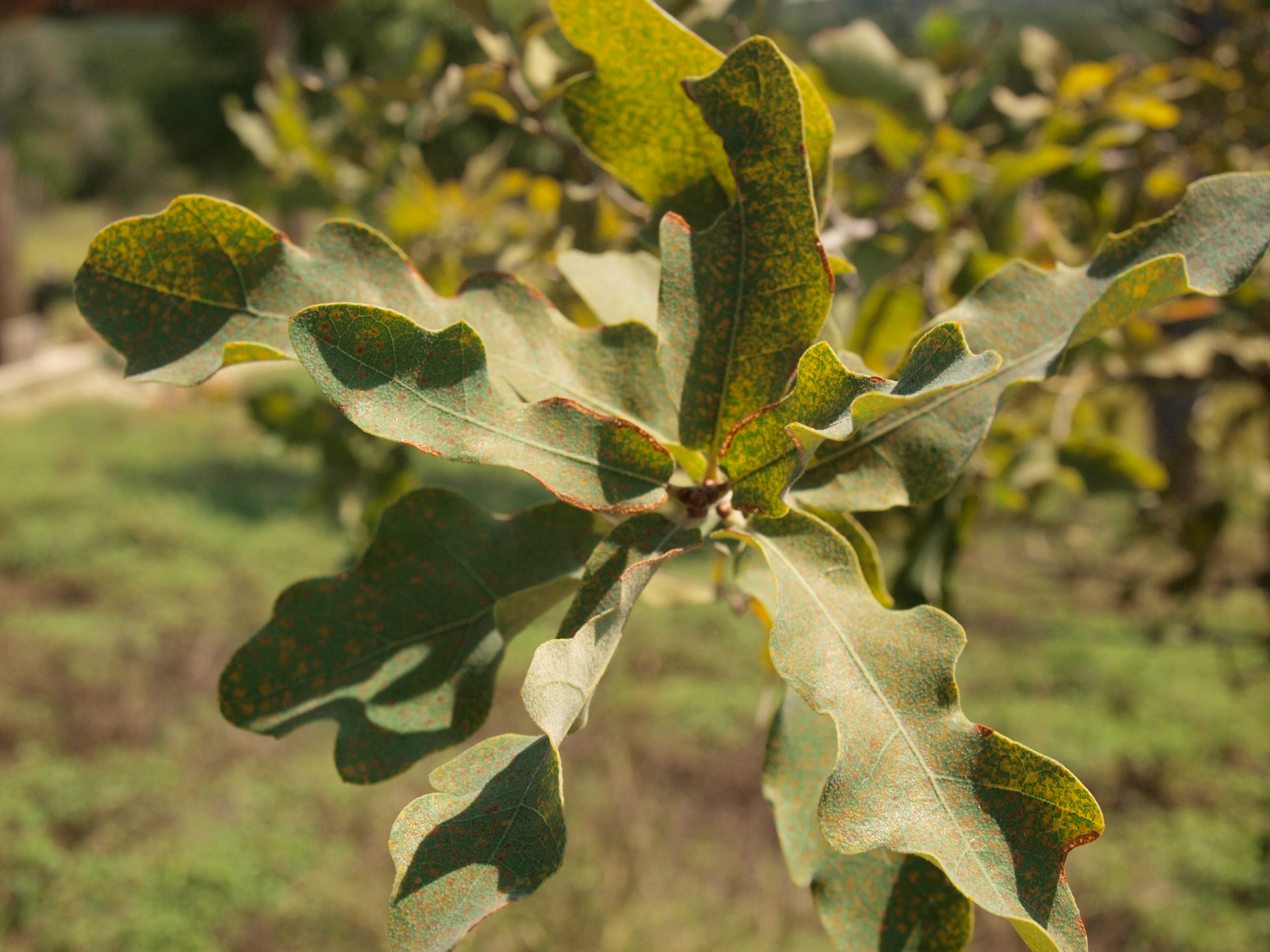
Chinquapin oak leaf

Juniperus ashei (cedar), the bane of allergy sufferers, is important in the life cycle of the Olive and Juniper Hairstreak butterflies, as well as providing nesting material for the Golden cheeked warbler and berries for a variety of birds.  Several of the oaks (e.g. Blackjack, Post Oak, Shumard oak) also play host to specific species, for example the Chinquapin oak (Quercus muehlenbergii) feeds Horace’s Duskywing butterflies and provides acorns for squirrels and birds.

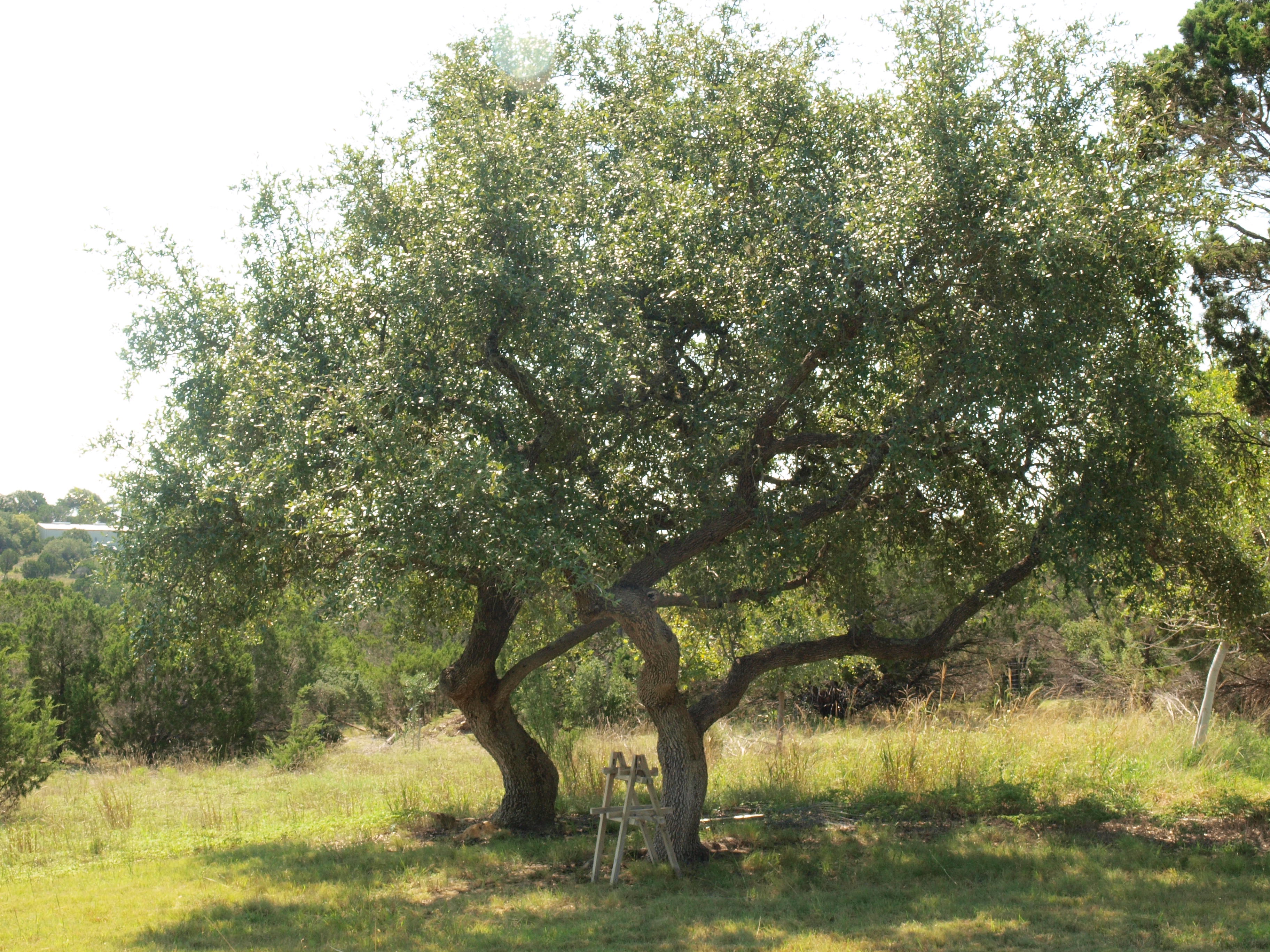
Live oaks

Quercus virginiana (Southern live oak), that graces many landscapes in Austin, is simultaneously providing home to small mammals and songbirds while providing sustenance for Horace’s Duskywing and the Northern White M hairstreak butterflies.

Redbud buds in spring

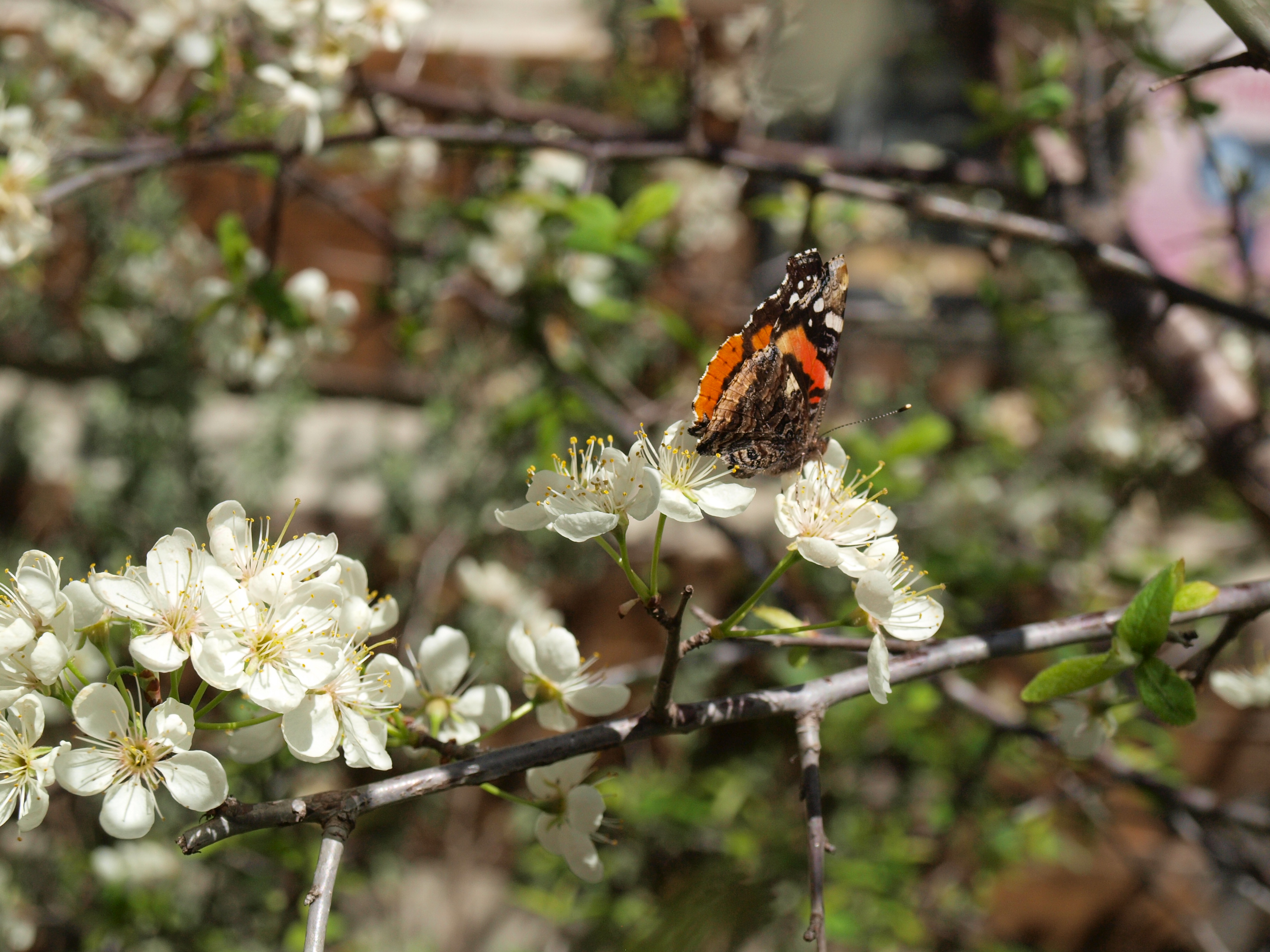
Spring flowering Mexican Plum with Red Admiral

The well-known redbud (Cercis canadensis v. texana) and Mexican Plum (Prunus mexicana) host the larvae of Henry’s elfin butterfly and the Tiger Swallowtail respectively.

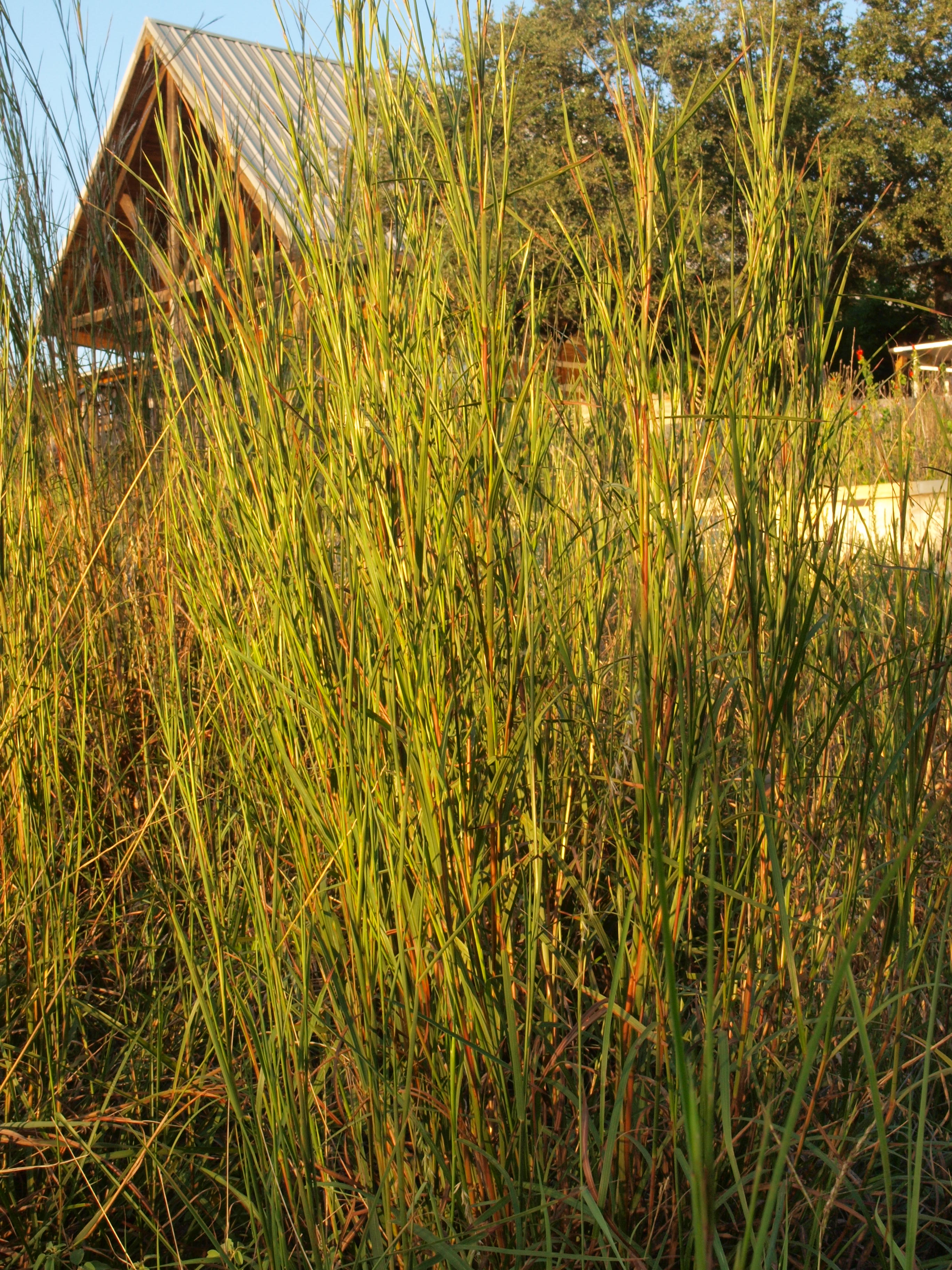
Big bluestem

A variety of Skipper butterflies  (see identification of butterflies and moths of north america) utilize different grasses as larval host plants.  Common prairie grasses such as little bluestem (Schizachyrium scoparium), Big bluestem (Andropogon gerardi) and Switch grass (Panicum virgatum) play host to different species belonging to this family of butterflies that comprises approximately 1/3 of all North American butterfly species.  Inland sea oats (Chasmanthium latifolium) is a native commonly used in landscaping that also hosts multiple species of these stout, small winged, fast flying butterflies.

Tecoma stans

There are several flowering natives, readily available for landscaping, that serve as host plants for butterfly species.

Black Dalea

Tecoma stans and Black Dalea (Dalea frutescens) provide homes for the larvae of the Dogface butterfly.

Soft grey foliage and pink blossoms of Cenzio

The popular Cenzio (Leucophyllum frutescens) plays host to the larvae of the Theona checkerspot and the ubiquitous Lantana sp. offers

Lantana horrida

nursery sites for the Painted lady larvae.

There are climbers that are favored by particular butterfly species Old man’s beard (Clematis drummondii) is dramatically covered with feathery achenes in the fall, sustaining birds with their seeds.  In spring their leaves feed the larvae of the Fatal metalmark butterflyThe different species of passionflower vines are renowned for hosting a wide variety of butterfly species including many of the Fritillaries.

Asclepias tuberosa (butterfly milkweed)

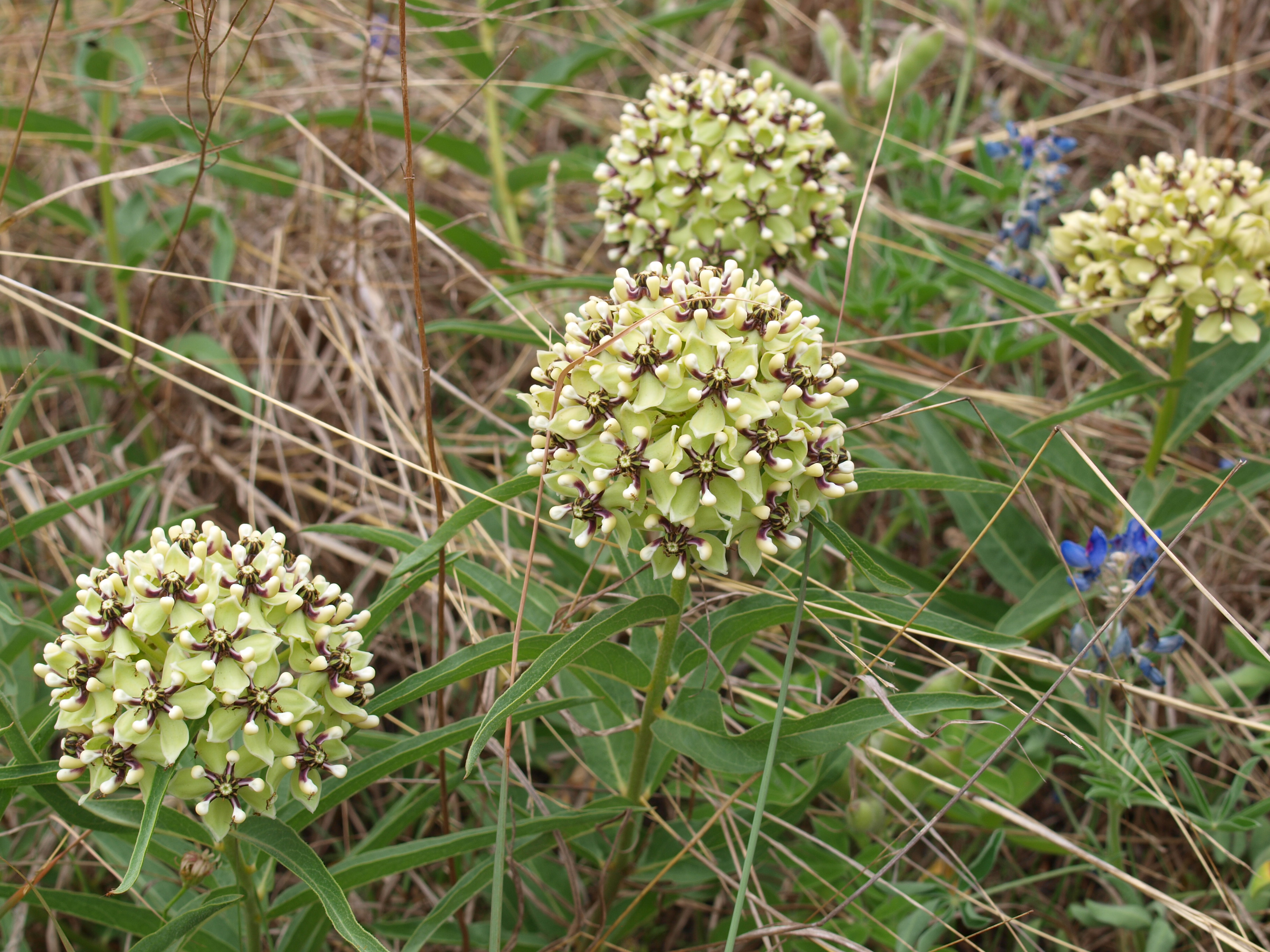
Asclepias asperula (green flowered milkweed)

Finally it would be remiss if we did not mention the special relationship that the most famous of Texas butterflies, the endangered Monarch, has with the milkweeds .  The toxins in the sap of the milkweed family are processed by the larvae making them toxic as well.  This poisonous state is carried through metamorphosis into adulthood making them distasteful to birds that might prey on them.

Texas’ position at the base of the North American continent, places it in a position where it is the funnel that many migrating species (such as butterflies and birds) pass through.  Thus, we have the delight of the aerial show of butterflies that pass through in Spring and Fall, as we as those that brave the hot summer and vagaries of winter.  With a little forethought and planning we can be good hosts, planting species that provide sustenance for the young and old as well as shelter from wind, sun and rain.

Do you have any novel ideas for providing for wildlife in general, or butterflies in particular?  Perhaps not just in residential landscapes but larger scale areas associated with business or local parks?

References:

Noreen Damude and Kelly Conrad Bender (1999).  Texas Wildscapes: Gardening for Wildlife.  Texas Parks and Wildlife Press.

Jim P Brock and Kenn Kaufman.  (2003).  Field Guide to Butterflies of North America.  Houghton Mifflin Company.

A member of the Pedaliaceae that is also known as Ram’s Horn for it’s fantastic seed pods.

RobertKamper's avatar


Can’t tell you how pleased I am that this plant, which has popped up in the greenbelt behiind the fence, is a native rather than an exotic or invasive. According to Enquist, this is an occasional plant of roadsides and wastes., common only in Mason County. The seeds apparently attach themselves to bypassing animals, thus spreading and propagating the species. Apparently the seed pods were used for food by various native tribes of the Southwest, as well as plant fibers which were used for weaving. The plant has a rather strong unpleasant odor, which means that the photograph is more pleasant than the taking of the photograph.  Ajilvsgi recommends it for the xeriscape garden, if there is room. It blooms from June to September, usually only a few flowers at a time.

View original post

Spring flowers III- Color wheel cycle

bluebonnet

There is something joyous about a field of flowers.  When nature repeats with reliability, like the appearance of the bluebonnets, it penetrates through the layers of our lives that separate us from our natural surroundings.  Not only do we reconnect to seasons through plants, but it also serves as a subtle measure of the health of the ecosystem.  Note all the news reports on wildflower predictions each year.

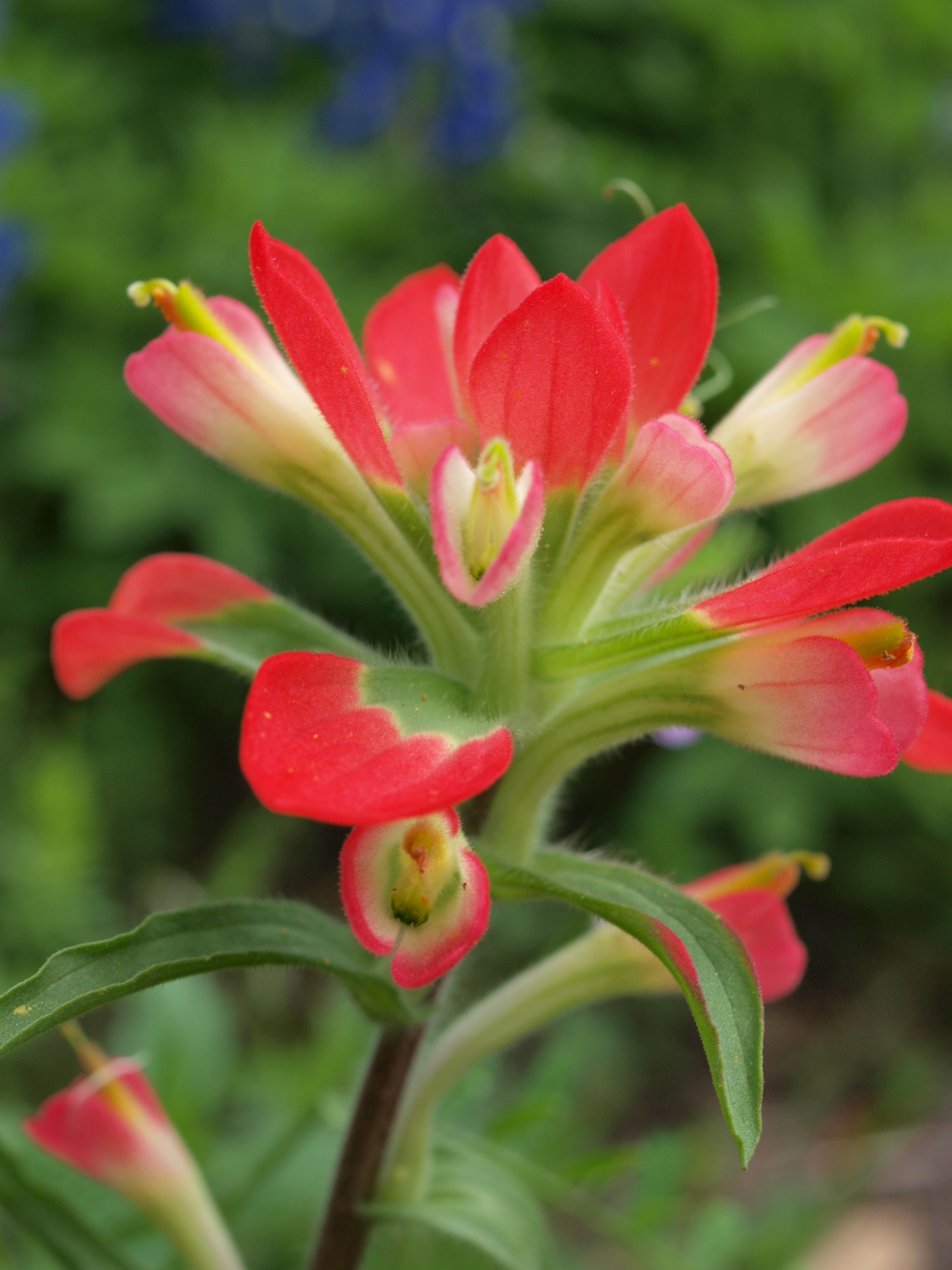
indian paintbrush

What is perhaps just as remarkable, but less remarked on, is the subsequent unfolding of flowers, annuals and biennials, through the spring.  The Bluebonnets (Lupinus texensis) are among the first to appear with the occasional patch of Indian paintbrush (Castilleja coccinea) to highlight the colors tastefully.

bluebonnets and indian paintbrushes

scrambled eggs growing in a naive lawn

What follows is the sequential flowering of different species.  Many from the Asteraceae and while some, like scrambled eggs (Corydalis curvisiliqua) are from more obscure families like Fumariaceae.  Together they form layers in the landscape in space and time.  The casual manner in which the form and color of these species, frequently seen on roadsides, complement each other always strikes me  as rather amusing given the effort and time someone might put in to create the same, very temporary effect.  Eventually the fields of blooms give way to smaller and smaller patches until finally we arrive at the enormous sunflowers of the summer.

brown eyed susans (all yellow) together with firewheels (orange and yellos)

The ever changing mosaic of these roadside species is largely connected to environmental conditions and germination requirements.  Some seeds, like those of the bluebonnets require stratification and fall rains for the plants to germinate and begin growing well before Christmas.  Similarly, the firewheel (Gaillardia pulchella) seen here with brown eyed susans (Rudbeckia hirta) should be planted early as they require 70F to germinate and so may only appear the following spring if the weather warms up too quickly.

Missouri primrose (Oenothera macrocarpa

pink evening primrose (Oenothera speciosa)

While the annuals and biennials are tied to seasons through seed germination.  It is possible that perennials might offer more reliable color, although their flowering (timing and profuseness) is tied to weather conditions as well.

Primrose is a common name applied to members of the genus Calylophys sp.  and Oenothera sp, both found in the Onagraceae.  These species provide alternate yellows to the early daisies and occasionally delicate pink.

wine cup

The purple/blue range of the spectrum can be found in the wine cup (Callirhoe digitata).  A perennial with a deep tap-root, it has leaves close to the ground year round, but sends dramatic purple flowers up over grasses and neighbouring plants early in the spring.  A more upright form is that of Widow’s tears (Commelina erecta) which, while

Widow’s tears

low (growing about 1-3 ft tall), offers a vertical line in contrast to the Purple prairie verbena (Glandularia bipinnatifida) that grows profusely with a relaxed habit that is frequently covered with butterflies.

Purple Prairie verbena

cedar sage

Hummingbirds find a food source in the bright red cedar sage (Salvia roemeriana). With it’s attractive leaf it brightens shady spots from early spring until mid summer, providing dramatic contrast to the white caliche stone and brown mulch found in forested areas.

Spring in Texas clearly offers a diverse palette of color and form.  To mimic the natural sequence and arrangement of wildflowers one must understand both germination and flowering requirements of the plants selected.  Like a puppet master it is all in the timing of seed application, watering and of course placing of both perennials and the annuals/biennials.  Can you imagine selecting 4 or 5 species to place in an area for a spring show?  Can you imagine a “meadow” effect in say a 3×3 ft area?  What are the important criteria that we can take from nature to implement in design in order to attain that effortless look of sequential color?

Flowering phases II: Spring flowering Shrubs

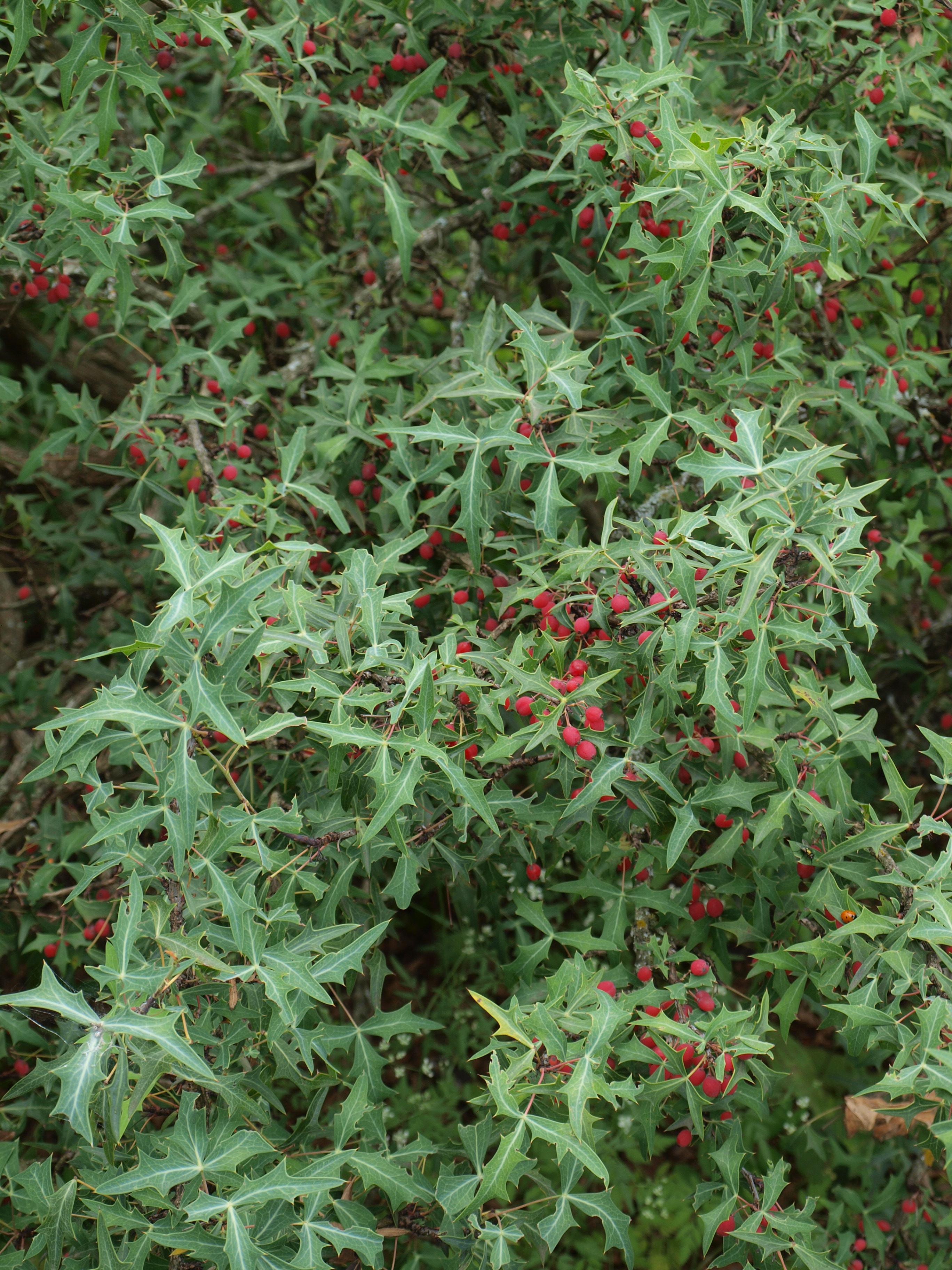
Yellow blooms of Agarita seen in February

Like trees, shrubs are appealing not only for their attractive flowers, but also for their permanence in the landscape and the possible offering of food in the fall.  Thus, while it is interesting to note those early bloomers, that help to wake up the landscape and our senses, paying attention to leaf shape and architecture can add a subtle dimension to landscape.   Walking around the back paths of the LBJ Wildflower center early one spring I smelt the most delightful sweet scent.  It was particularly elusive but, following my nose for a bit, I was able to trace it to the Agarita bushes.  It surprised me that such a delicate smell game from the strings of small yellow blooms  as the bush itself is incredibly robust and the leaves are uncomfortably prickly, just like a holly’s.  In fact it is known to be selected by birds for nest sites as the dense prickly foliage offers excellent protection.  As the picture indicates the ephemeral yellow blossoms result in bright red berries later in the year.

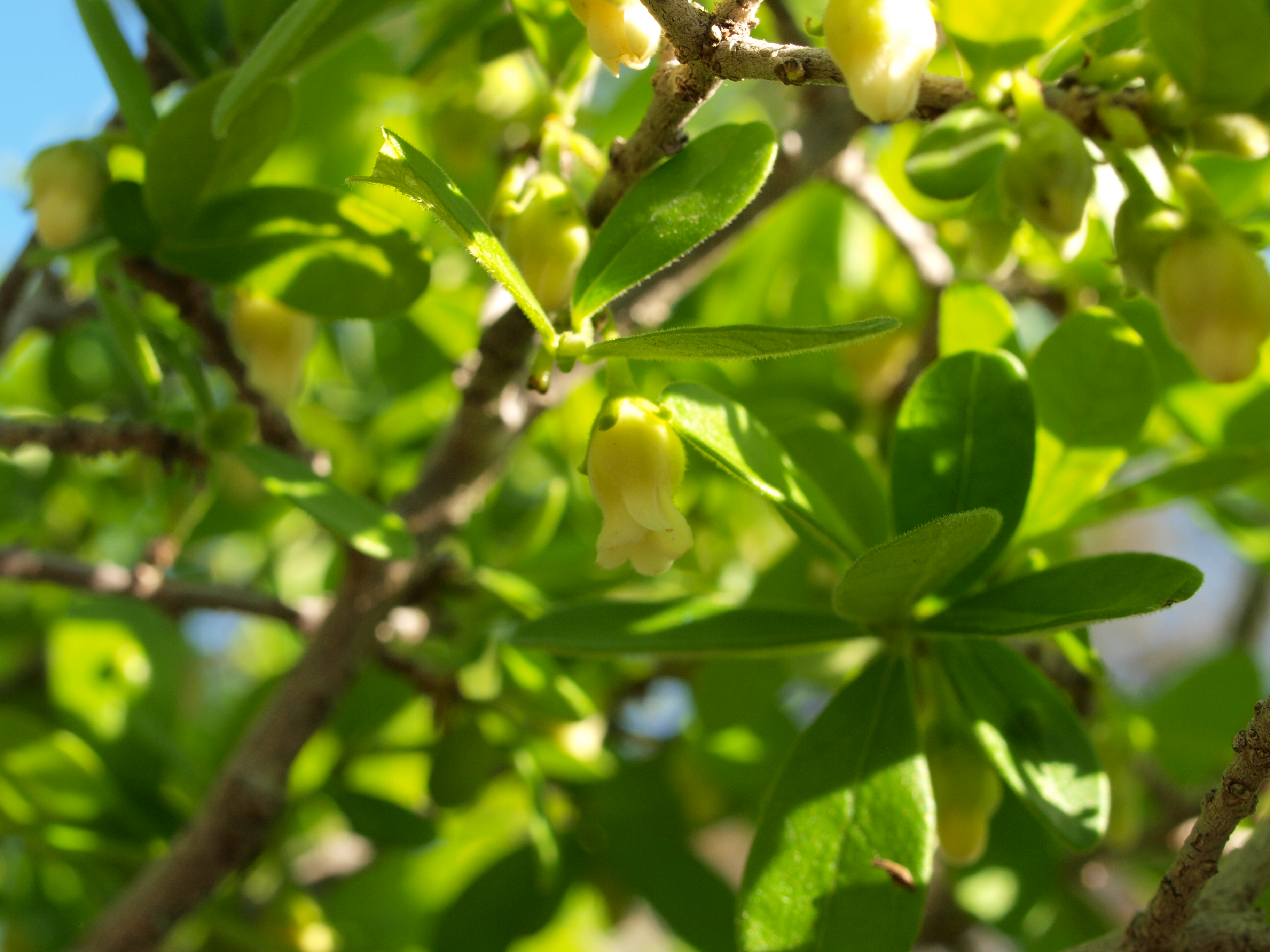
Flowers of Texas Persimmon

Diospyros texana is a wiry looking shrub.  It offers a great sculptural element to the landscape heightened by its beautiful bark.  In the spring it has delicate little bell-shaped flowers that produce fruit later in the summer.  The small fleshy fruits of this hardy tree provide food for birds and small mammals.

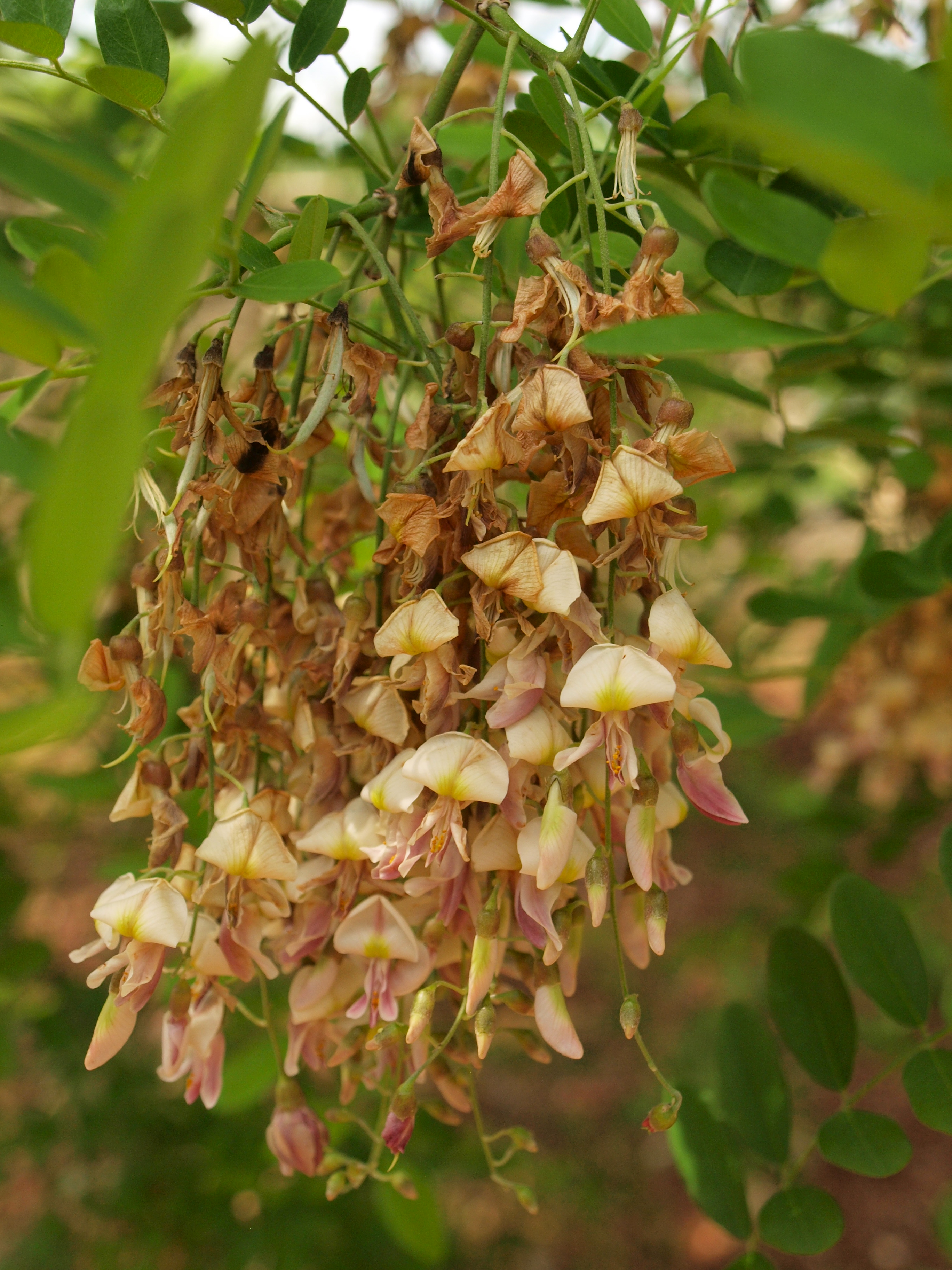
Fading blooms of Eve’s Necklace

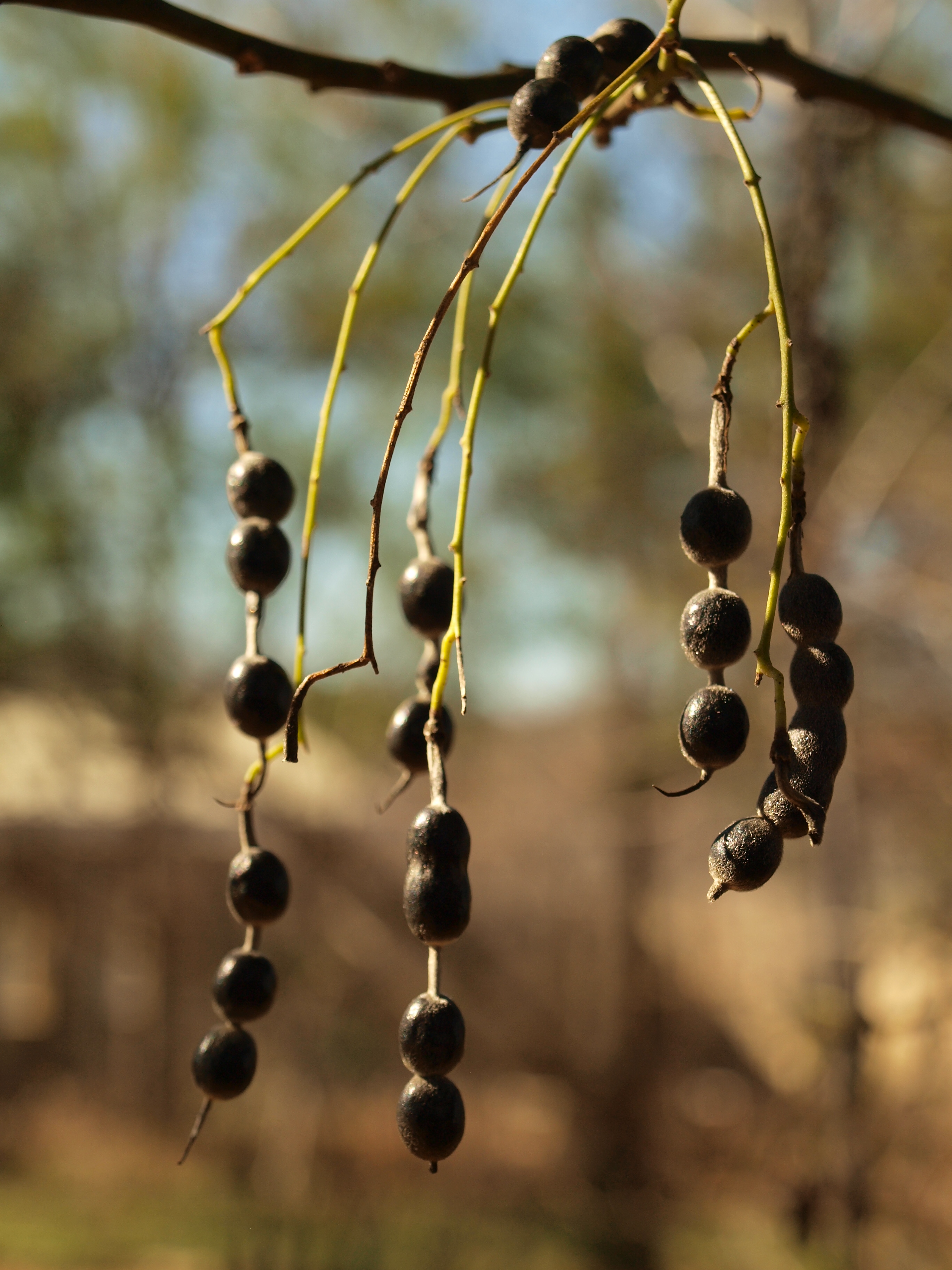
Seed pods of Eve’s necklace

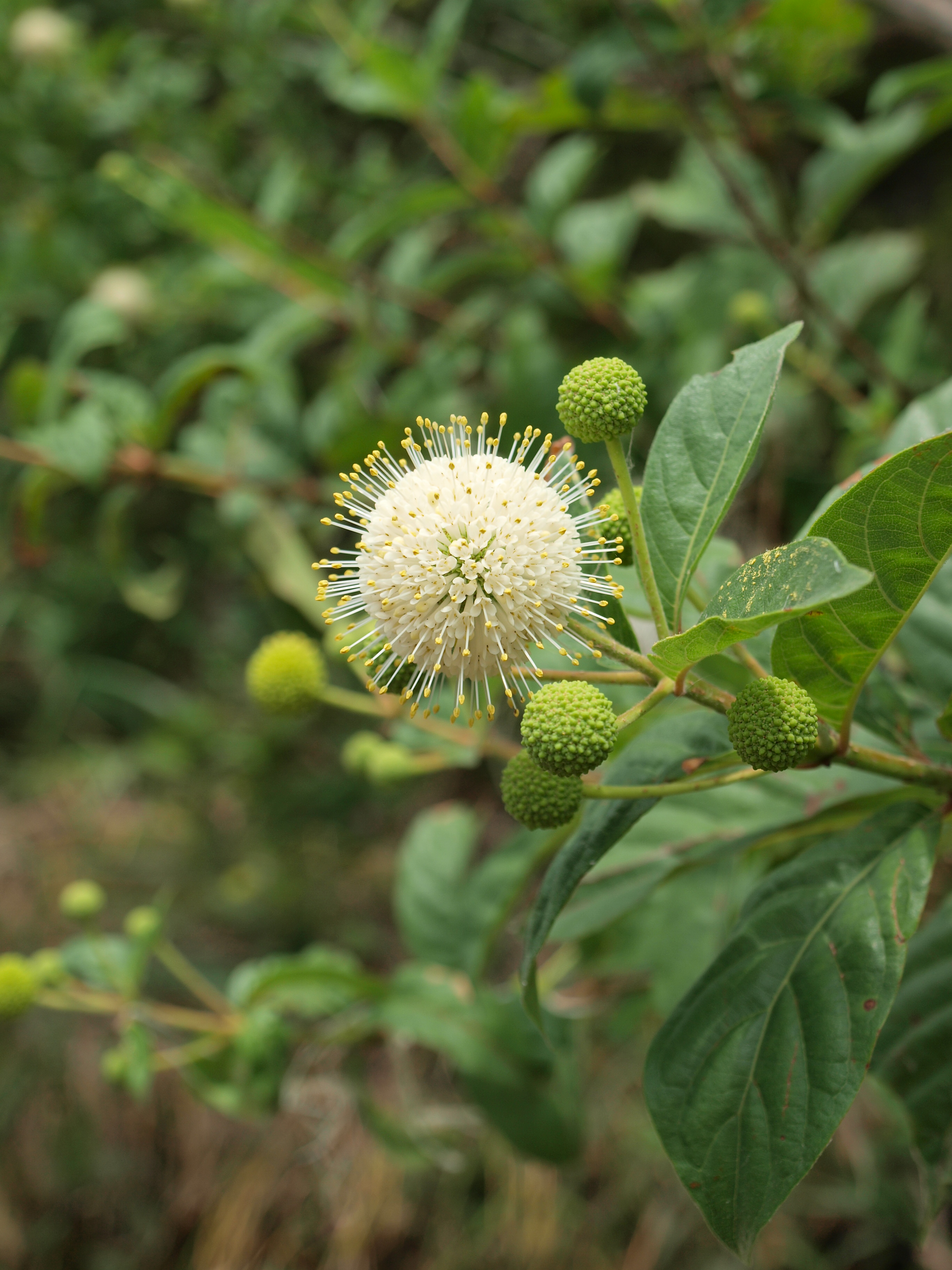
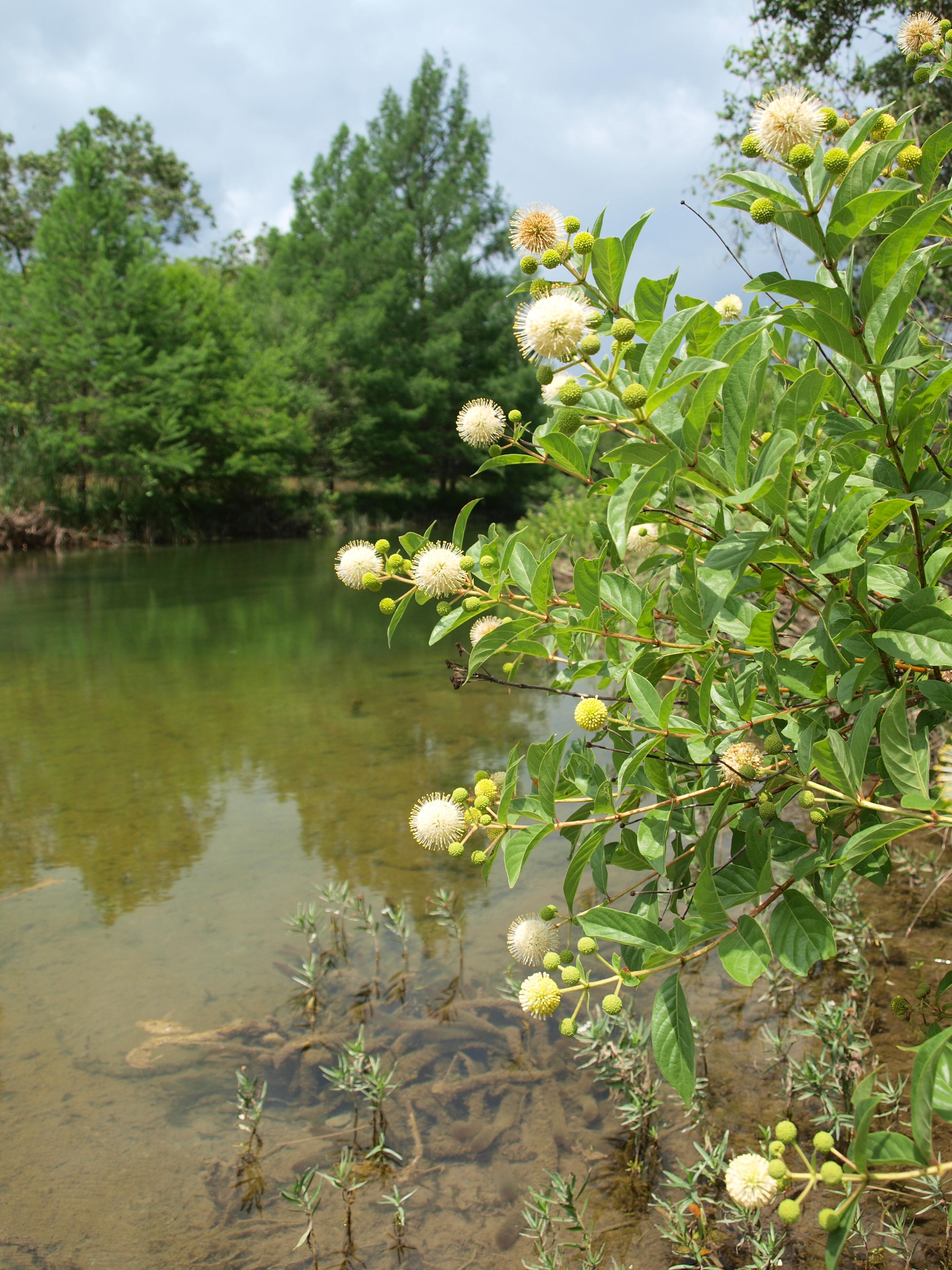
In the woodland, surprisingly tropical looking blooms hang overhead.  Eve’s necklace (Styphnolobium affine) offers graceful stems, delicate pink yellow blooms clustered on dangling infloresences and vibrant green compound leaves that move easily in the breeze.  While it is a very attractive, it should be notes that the black seed pods house toxic seeds.  Similarly it’s close cousin the evergreen Texas Mountain Laurel (Sophora secundiflora) has very attractive blooms that have a sweet scent, particularly evident in the evening, that give rise to silvery seed pods housing toxic red seeds.  This is a very popular landscape tree, although it is slow growing, and this year the flowering in February and March was remarkable!  This may be connected in some way with the drought/spring rain weather patterns that we experienced.Part of the delight of a Texas spring is the advent of the rains and the filling of the creeks.  Here along Bear creek, a contributor to the Edwards aquifer, we find Button bush (Cephalanthus occidentalis).  This versatile shrub is particularly useful in riverine areas.  It does not mind having it’s roots regularly or partially submerged and it offers both nectar to insects and seeds to ducks and rodents.  The glossy green leaves present a third leaf type to consider, the entire leaf.

Our introduction to these species presents us with further considerations for the landscape.  We had already met the idea of host plants (with Agarita and Texas persimmon), but now we introduce the possibilities of evoking interaction through the senses, smell and sight.  Scents can be intriguing and invite exploration while different leaf shapes offer visual interest.  Can you suggest particular arrangements or collections of shrubs?  How do they meet with your selection criteria?

Flowering phases I: spring flowering trees

Moving into Fall it is hard to remember the possibilities of spring. Creating a landscape with staggered flowerings is aesthetically interesting and serves to mark the  passage of time.  Those early spring blooms cheer us as much as the watery sunbeams peeking through grey clouds, but they also have an important ecological function in providing a continuous  food source for those species that utilize pollen and nectar.  So now, as the heat of summer burns away all memories of cooler weather, lets consider some of the early spring bloomers.

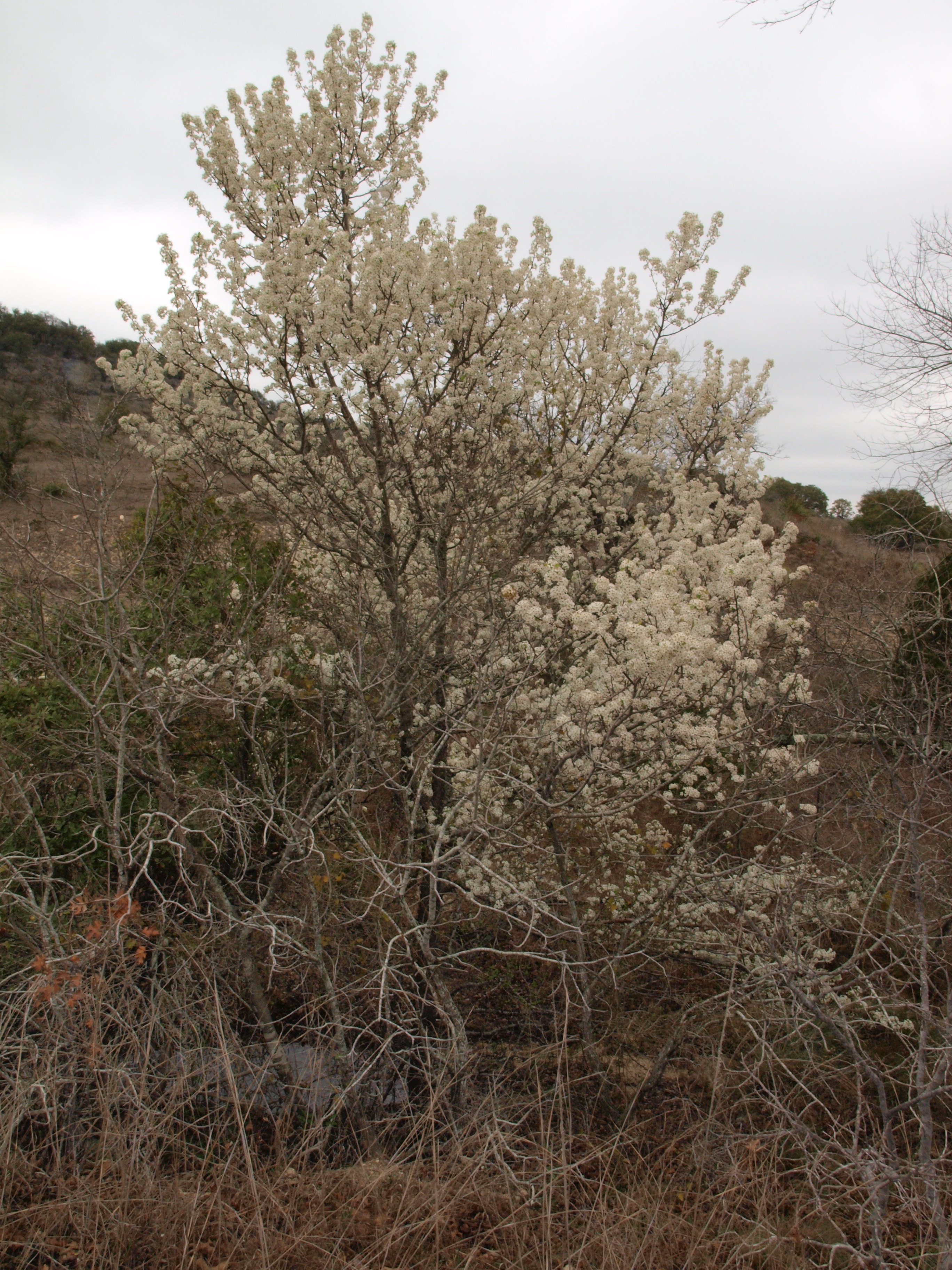
The Crabapple (Malus ioensis)

seen here blooming out near Johnson city in February is perhaps one of the earliest.  Deer are very fond of this tree and so they do have to be protected from browsing.

Crabapple blooming in February

Small bitter fruits will follow in early fall.

Redbuds seen in a spring landscape

Redbud blooming in February

Texas has several native trees that are early bloomers.  Some like the redbud and Mexican plum have very obvious blooms that are enjoyed by humans and pollinators alike.

Red Admiral on a Mexican Plum Blossom

These are well-known trees for landscape and pair well together visually and in terms of flowering time.  Mexican Plum has the added attractions of plum-like fruit and fall color in later seasons, while Redbud’s offer interesting leaf shape and large pods.

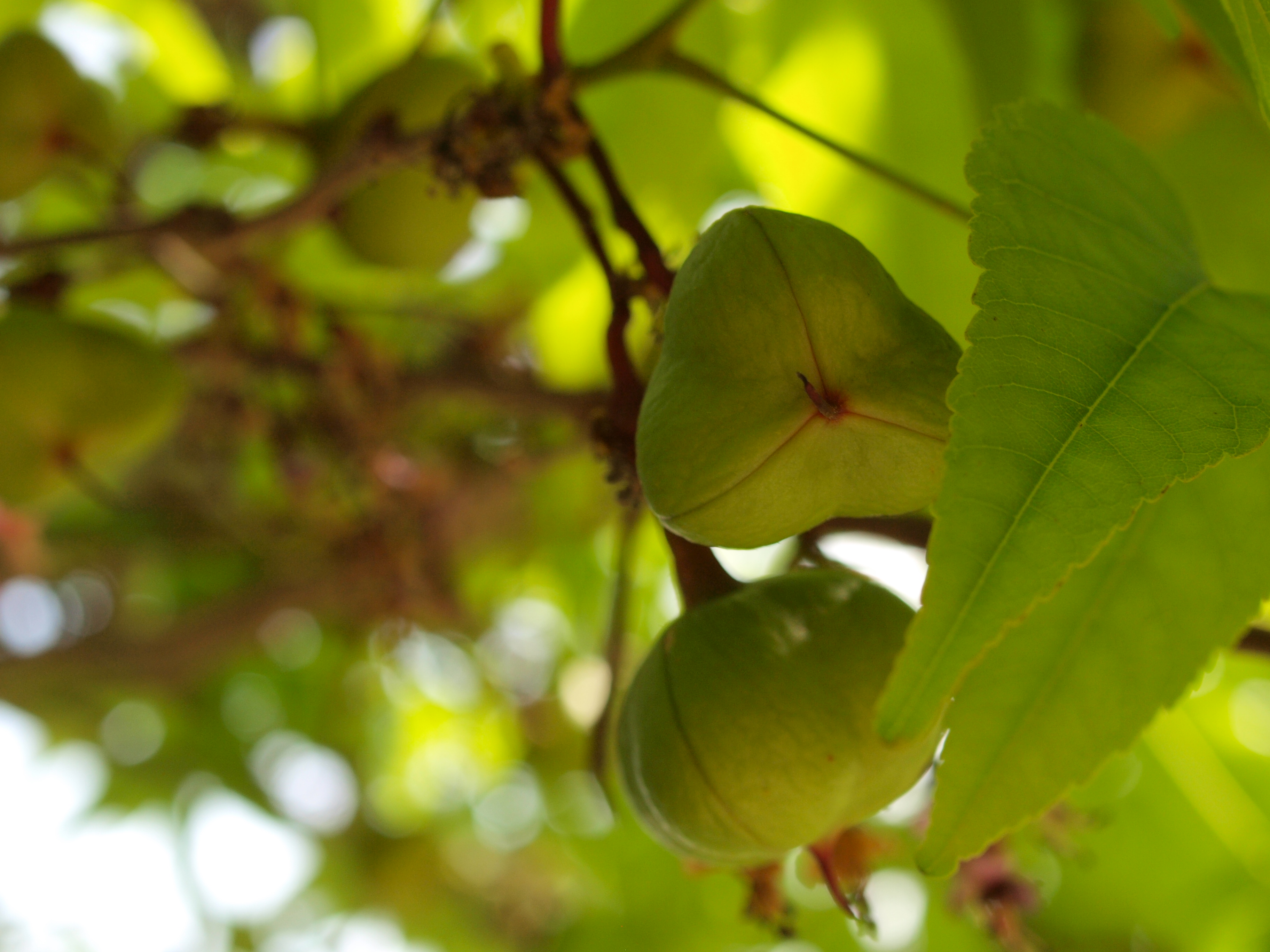
Mexican Buckeye (Ungnadia speciosa) is equally attractive mid-size tree or large shrub that has early flowers

Flower of Mexican Buckeye

and very interesting seed pods later.

Fruit of Mexican Buckeye

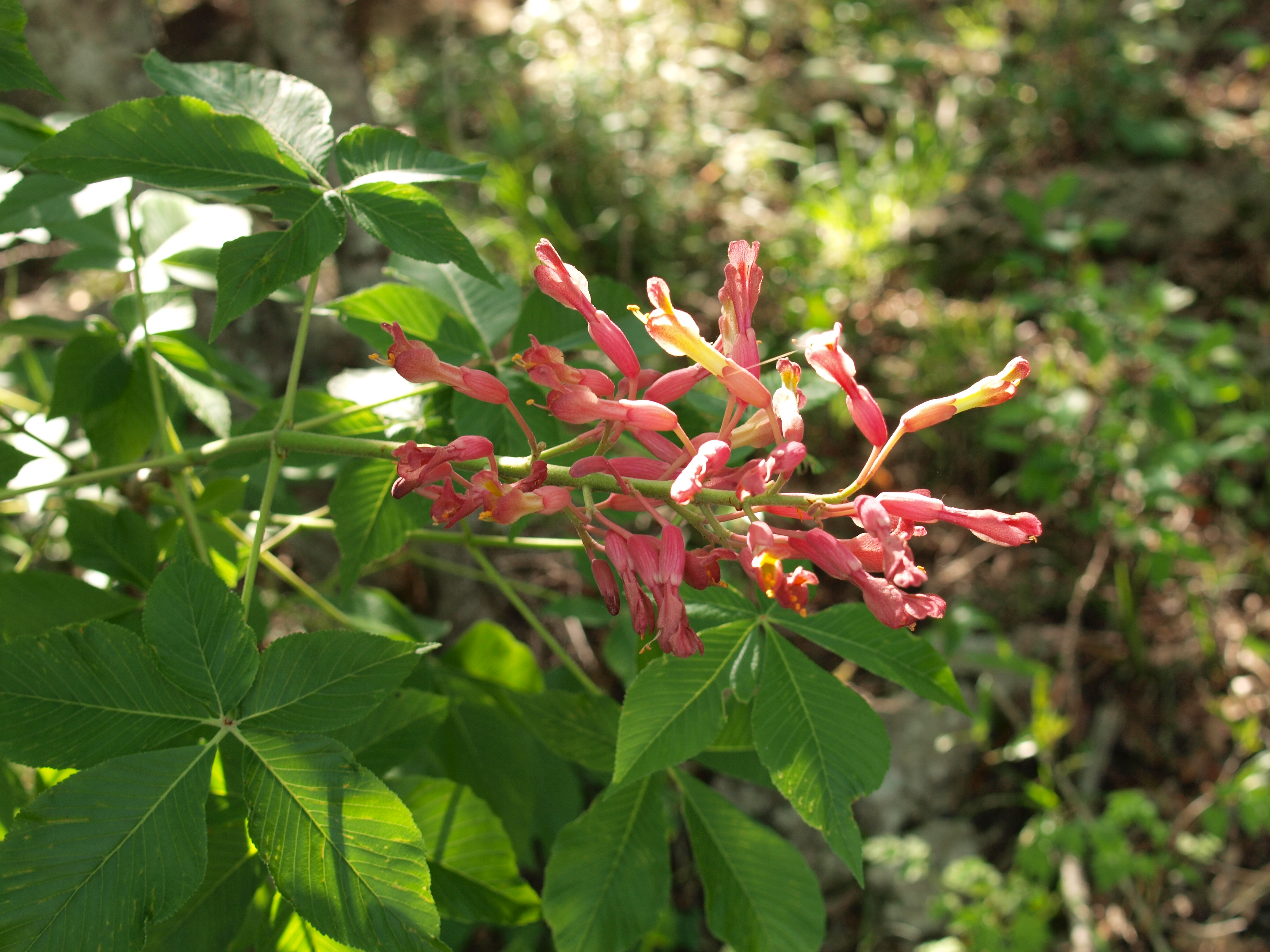
Red buckeye, note the classic buckeye type leaf

The Mexican buckeye is not actually a true buckeye.  The Red Buckeye (which is a true buckeye) has a similar common name but belongs to a different genus and species – Aesculus pavia The images of the flowers were taken in March on a hike down to Hamilton Pool.

Not all blooms follow the traditional flower form of petals, stamens, stigma, style and ovary.  Huisache (Acacia farnesiana) combines flowers in clusters with the yellow filaments of the stamens producing the attractive color.

Huisache blooms in May

Pods 3 -4 in long soon follow.  The light green compound leaves are very attractive, however the tree is thorny and readily sheds small twigs.  Combined with the fact that a dark blue-brown color leaches from the pods when they are wet, this might not be the best tree for a patio or walkway but it is delightful set in a parkland.

Catkin and new leaves of the Spanish oak

The oaks are another group of trees with flowers that may not immediately be recognized as such.

The catkins are a collection of flowers (inflorescence) just as the yellow balls of the Huisache are.  The male and female catkins of the Spanish Oak (Quercus buckleyi) have a slight pinkish tint just like the new leaves.  The flowers on the male catkins produce pollen and then fall away while the fertilized female flowers of female catkins produce the acorns that we are familiar with.

These are a small sample of early flowering trees.  They may be selected for their flowers, or for other characteristics such as leaf shape, autumnal color, food source or animal habitat.  How would you rate selection criteria for trees?  Do you have particular features that continue to frame decisions time and time again?  How important is flowering time to you?