Bluebonnets in the fall.

Walking at dawn in the fall in Texas the yellows and golds and reds of the grasses and leaves tend to dominate.

Fall sunrise in Texas

But look closer, below the red and yellow grasses, and there are round, bright green seed leaves of Lupinus texensis– the Texas bluebonnet. After the heat of summer and the fall rains, around September or October, these emerald gems appear close to the ground. Soon afterwards, especially if there is more rain, the palmate leaves with their pointed hairy leaflets appear. On a morning with heavy dew the moisture collects on these leaves so that they shimmer like silver in the first rays of light, collecting little pearls of moisture at the base of the leaflets.

Dew decked bluebonnets in fall.

As the seedlings of these annuals grow they send down roots that have nodules. As members of the family Fabaceae they form symbiotic relationships with bacteria that fix gaseous nitrogen for the plant. This nitrogen gets passed on into the soil enriching it for other plants. In return the bacteria get carbohydrates from the plant.

Through winter storms these small green leafy rosettes wait for spring and the chance to flower. With good fall and spring rains fields of them will appear around March and April. The spike inflorescences of multiple blue flowers are easily identified as belonging to the pea family with the banner, wing and keel forming each flower.

Field of bluebonnets in Texas spring

Texas Mountain Laurel – Sophora secundiflora

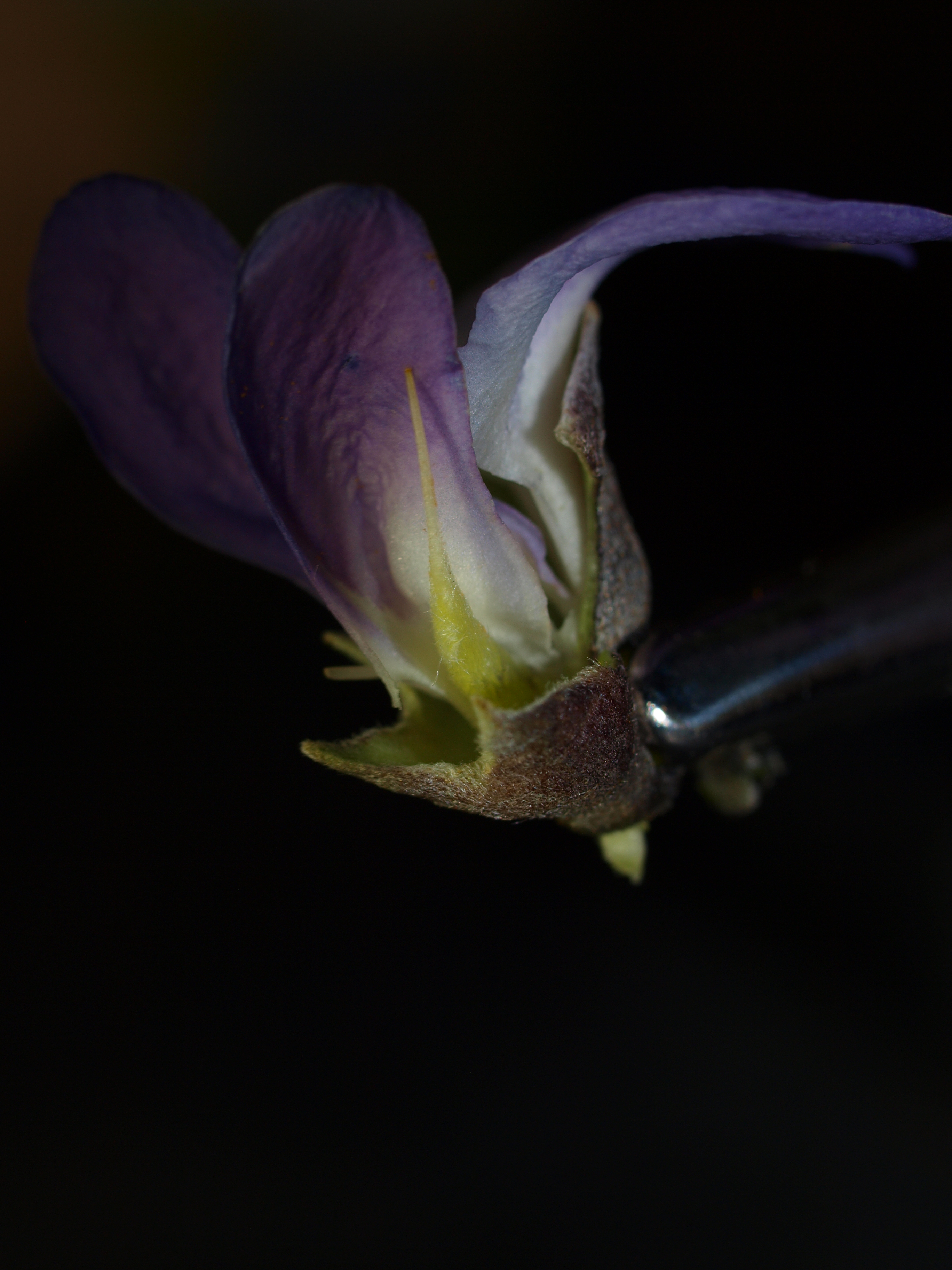
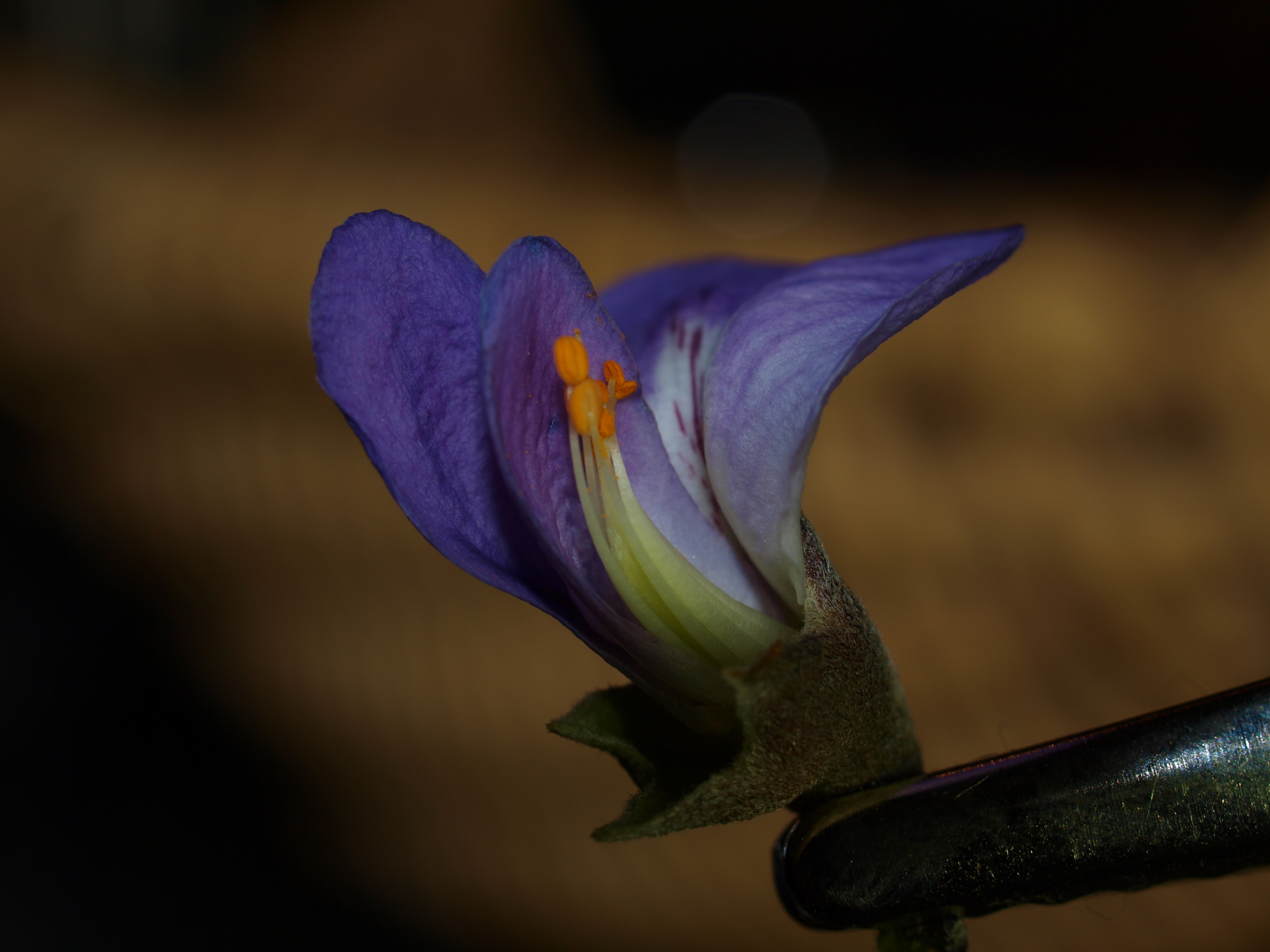
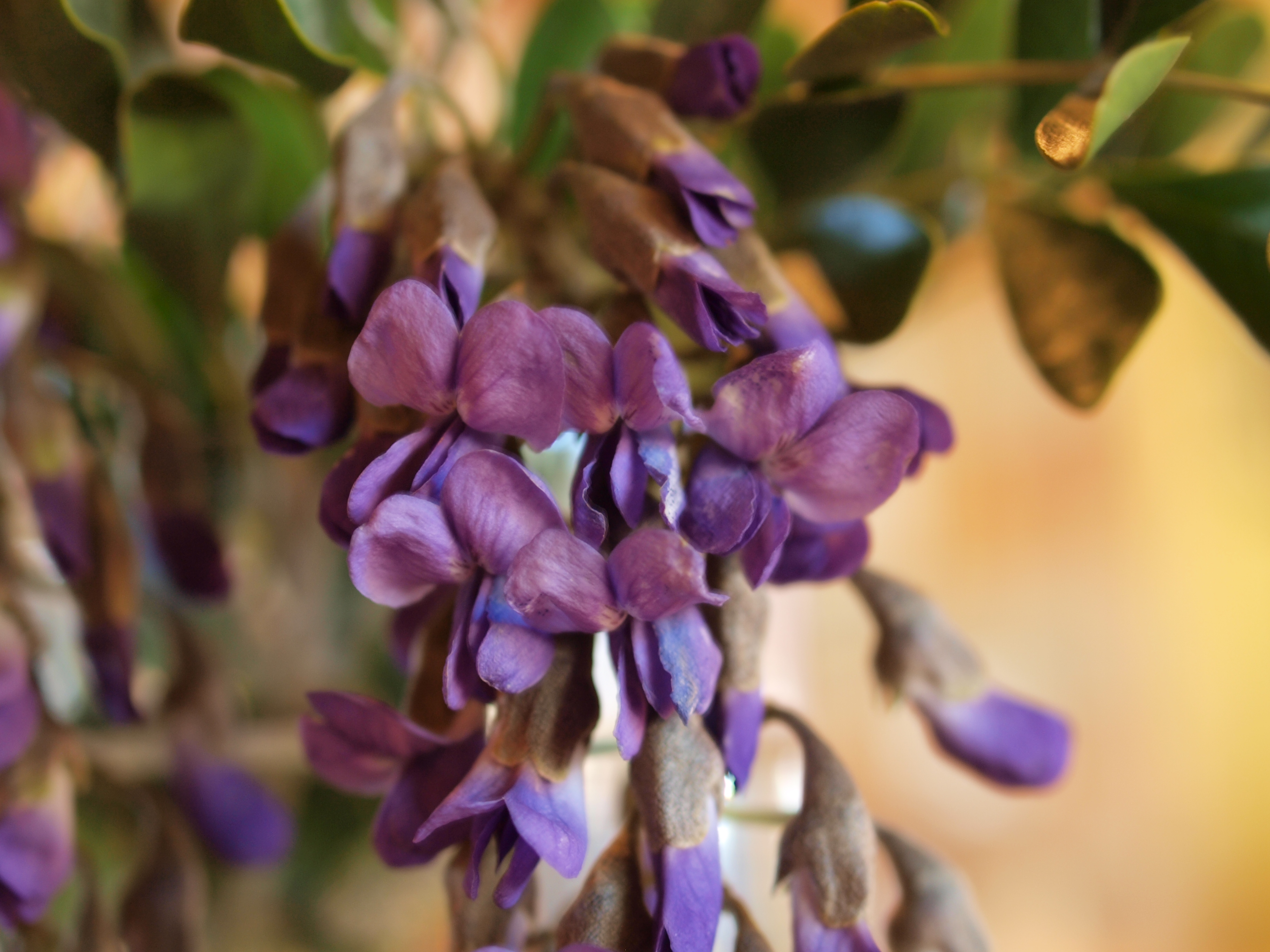
OLYMPUS DIGITAL CAMERASpring is springing up quickly after our warmish winter.  The mountain laurels have been blooming for over a month now and are slowly beginning to fade.  Their bumpy seed pods, containing poisonous seeds, are appearing from the delicate purple-blue blooms that still fill the night with heady scent.  I thought it might be fun to take a closer look at these flowers since this species is a member of the Fabaceae, one of the largest and most cosmopolitan of all plant groups. Just about anywhere in the world you will find examples of the pea family.  They could be evergreen, deciduous, climbers, herbaceous plants or trees.  Specifically, Texas Mountain Laurel is a beautiful evergreen multi-trunked trees that is part of the sub-family Faboideae.  This is the group of Fabaceae that we typically recognize as “pea”. OLYMPUS DIGITAL CAMERA The other two subfamilies are Mimosoidae and Caesalpiniodae.

txkaurelhalf

Half flower diagram of Texas Mountain Laurel

So what is a “classic” pea flower. It has a floral structure where the petals are arranged into banner, wings and keel.

OLYMPUS DIGITAL CAMERA

Stigma, style and ovary of the Texas mountain laurel

The banner is one large petal with two wing petals enclosing two keel petals.  The keel closes around the 10 stamens  and the ovary that will later develop into the pod if the flower is pollinated.  Two curious features of the flower are the widening of the filaments at the base (filaments support the anther forming the stamen) and a protrusion on the lower side of the keel petal which seem to help the petals stay closed over the stamens and stigma.

OLYMPUS DIGITAL CAMERA

10 stamens clustered tightly around the gynoecium